
A garage door that stops halfway, rises crooked, reverses, or becomes noisy gives you a symptom—not a diagnosis. If you need overhead garage door repair in Chicago, IL, start by separating what you can safely observe from work involving loaded springs, cables, or heavy sections.
Get to know how symptoms shape repair decisions, what affects the repair scope, and what to confirm before normal use resumes.
The loudest or most visible part is not always the failed part. A weak-looking opener may be reacting to poor balance, while a crooked door can involve a cable, roller, track, or bracket. Good overhead garage door repair begins by observing the door’s movement before deciding which component needs attention.
Notice when the problem occurs: at startup, midway through travel, or near closing. Also note whether one side leads, the opener runs without moving the door, or the door reverses. These clues help narrow the possibilities without touching tensioned hardware.
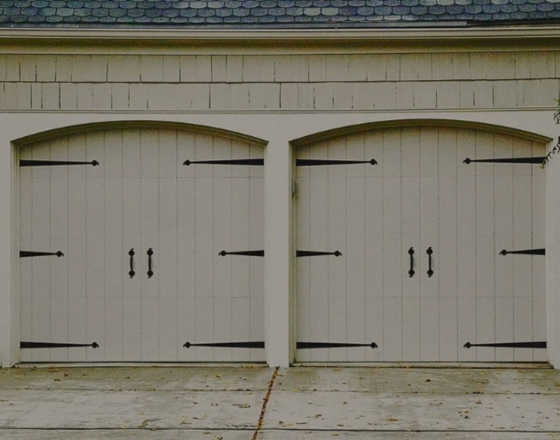
Different failures can create similar behavior, so a garage door repair service should identify the underlying cause before overhead garage door repair parts are replaced.
Springs offset much of the door’s weight. When balance is lost, the door may feel heavy, move unevenly, or place extra demand on the opener. A visible spring separation or sudden loss of lifting assistance can make garage door spring repair the likely focus, but loaded spring hardware should not be adjusted casually.
A frayed, displaced, or slack cable can leave the door uneven. If garage door cable repair is needed, keep the door stable and avoid disturbing hardware that may still be carrying tension.
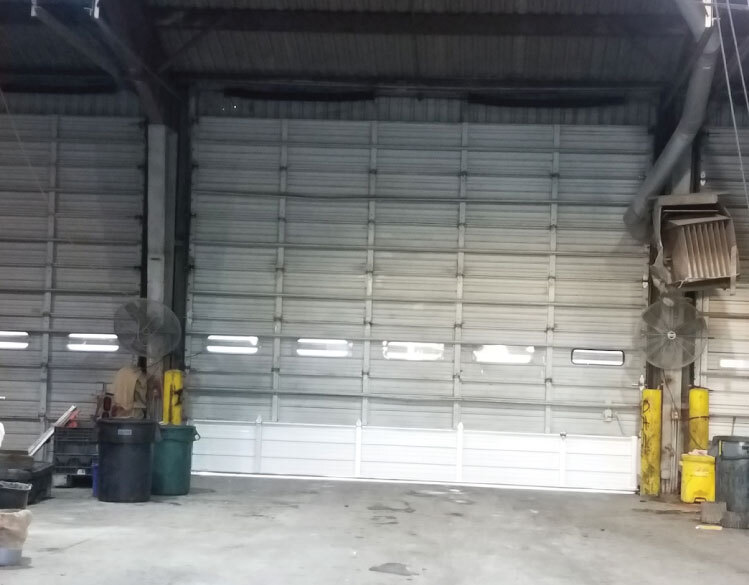
An opener can fail on its own, but it may also struggle because the door is hard to move. Possible causes include the motor, drive system, controls, sensors, settings, poor balance, binding rollers, or damaged hardware.
That distinction matters before garage door opener repair is chosen. The repair process should determine whether the opener is the cause, reacting to mechanical resistance, or only one part of a larger issue.
A worn roller, damaged hinge, broken spring, or opener component may allow a focused repair when the rest of the system remains serviceable. The decision changes when several sections, tracks, or hardware areas are damaged, or failures keep recurring.
For garage door repair in Chicago, IL, ask whether the proposed work restores balanced, controlled operation and whether connected components remain serviceable. The goal is a practical system-level repair, not simply a quick part swap.
A repair visit should clarify what failed and why it produced the symptom you noticed. The evaluation should separate balance-system, hardware, track, opener-control, and door-section problems when multiple causes are possible.
If you found a provider by searching “garage door repair near me,” compare the actual inspection and repair scope rather than choosing only by a headline price.
There is no universal garage door repair cost. The scope can change with the failed component, door size and weight, hardware configuration, opener type, compatible parts, and any secondary damage.
Discuss cost after the cause is identified. Ask which parts and adjustments are included and whether the overhead garage door repair work addresses the underlying problem. If more than one repair path is practical, compare the scope and the checks performed afterward.
Repeatedly operating a binding or uneven door can expand the problem. Stopping early may keep a contained failure from becoming a broader overhead garage door repair project.
Repair often makes sense when the problem is limited to a serviceable component and the rest of the door remains usable. A broken spring, roller, cable, hinge, or opener fault does not automatically require a new door.
Replacement deserves a closer look when structural damage is extensive, several sections are compromised, alignment problems persist, or failures keep occurring across aging components. Parts compatibility can also affect the decision.
The choice should follow the condition and scope. Focused overhead garage door repair can suit an isolated failure, while broader damage may justify comparing repair with replacement.
Before normal use resumes, the door should move smoothly through a full cycle, remain aligned, avoid obvious binding, and work with the opener without abnormal strain. Safety controls should remain functional rather than being bypassed.
If the symptom returns after overhead garage door repair, note exactly when it happens rather than repeatedly cycling the door. That can help determine whether the original issue persists or a separate component needs attention.
If movement becomes uncontrolled, stop operating the door, keep people and vehicles away, check only low-risk visible items, and avoid springs, cables, brackets, or a jammed door under load.
For overhead garage door repair in Chicago, IL, contact Magic Touch Garage Doors through its established channels and describe whether the door is open or closed, level or uneven; what sound or movement changed; and whether the opener still responds. These details make the initial service conversation more useful.
If your overhead garage door becomes noisy, crooked, difficult to operate, or stops moving correctly, identifying the cause before replacing parts can lead to a more appropriate repair decision.
Magic Touch Garage Doors can help evaluate problems involving springs, cables, rollers, tracks, openers, hardware, and other components that affect garage door operation.
For overhead garage door repair in Chicago, IL, describe the symptoms you are seeing so the problem can be evaluated based on the door’s actual condition.
Stop repeated operation and look for obvious, low-risk causes such as an object in the opening, loss of opener power, or something blocking the photo-eye area. If the door is crooked, unusually heavy, hanging from a cable, or making severe new noises, keep the area clear and arrange overhead garage door repair rather than forcing it.
Yes, and the reverse can also happen. An opener fault may prevent powered movement even when the door mechanism is serviceable, while an unbalanced or binding door can make a working opener appear weak. A useful diagnosis separates door movement from opener behavior before deciding whether garage door opener repair or mechanical work is needed.
Uneven travel can be associated with cable trouble, roller or track problems, damaged hardware, or an imbalance in the lifting system. Because one side may be carrying a different load from the other, continued operation can be risky. Garage door cable repair or another mechanical correction may be required after the cause is identified.
Compare the diagnosed cause and repair scope, not only the total number. Ask which parts are affected, whether related components were checked, what adjustments are included, and how the door will be tested afterward. A clear explanation helps you compare one garage door repair service with another on equivalent work rather than on an incomplete headline price.
Repair is often the more focused choice when damage is limited to a serviceable spring, cable, roller, hinge, track issue, or opener component and the rest of the door remains in a suitable condition. Replacement becomes more relevant when structural damage is extensive, several sections are compromised, compatible parts are impractical, or repeated failures affect the overall system.